.svg)



The story of the Rolls Royce Corniche Fixed Head Coupé
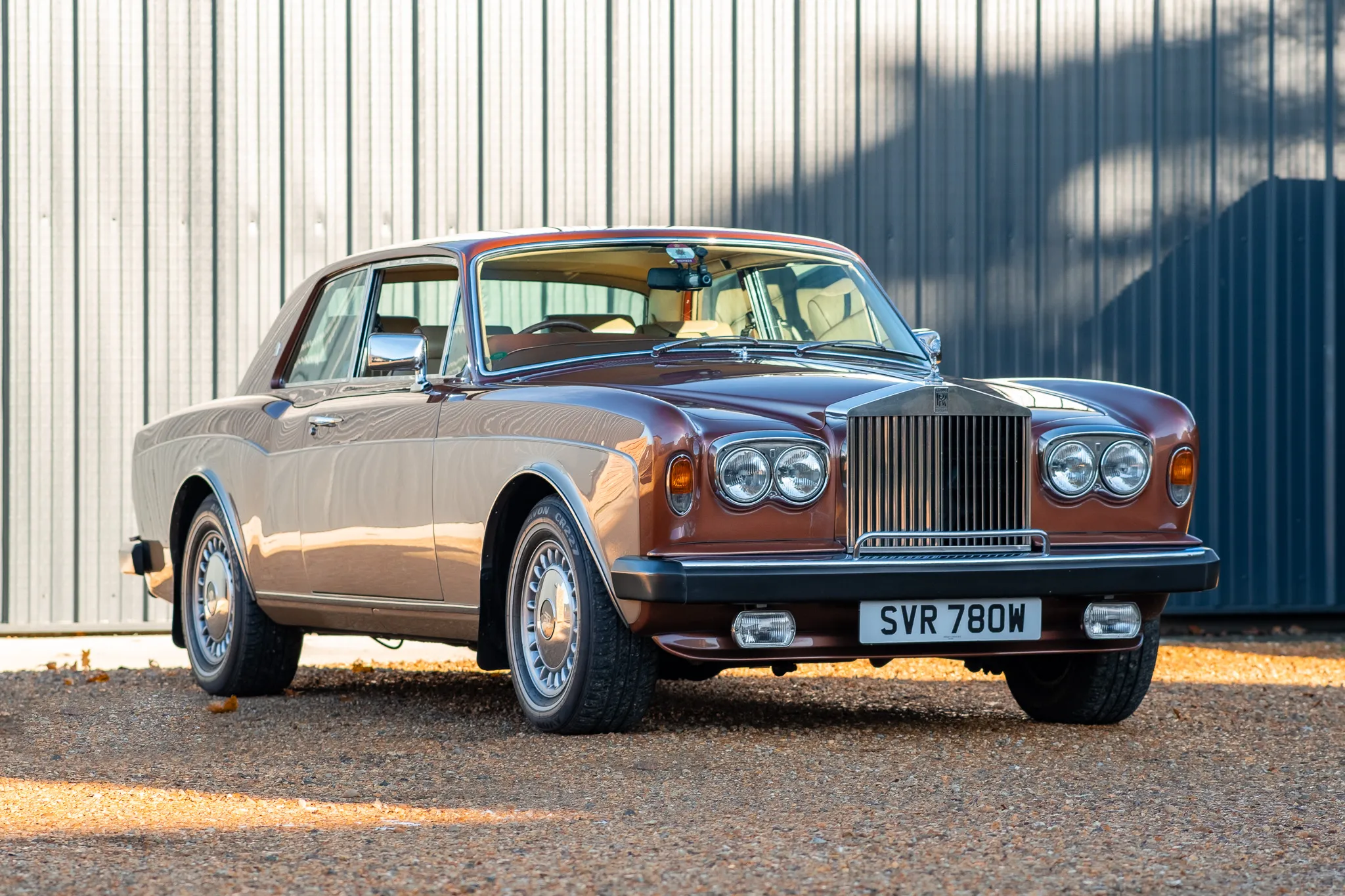


The Rarest Riviera Dream - The story of the Rolls Royce Corniche Fixed Head Coupé
At its heart, the Corniche was not simply a grand tourer, nor merely a two door alternative to the Silver Shadow. It was Rolls Royce’s statement of how a gentleman’s motor car should carry itself when the journey mattered as much as the destination. And of all its incarnations, the most elusive, the most discreet and arguably the most beautiful was the Fixed Head Coupé.
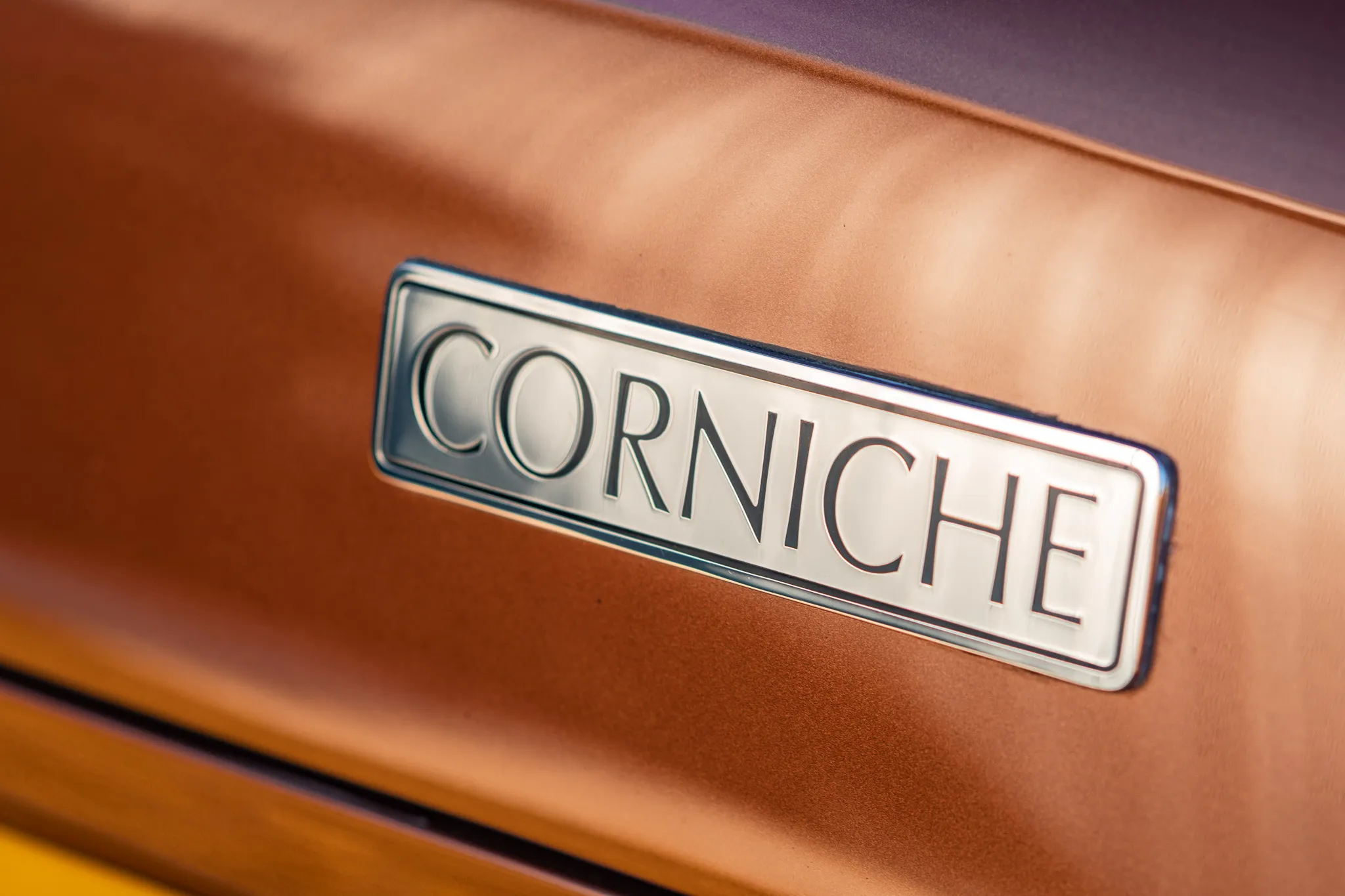
Today, the Corniche name is easily associated with the glamour of the Côte d’Azur, the elegant sweep of the Grande Corniche high above Monaco, the deep Mediterranean light reflecting on polished coachwork, and long lunches overlooking the sea. Yet when the Corniche Coupé first arrived in 1971, long before it became a symbol of Riviera living, it was intended to answer a simpler question: how do you build a motor car capable of crossing countries with no stress, no noise, no fatigue and arrive without a hair out of place?
A coach built car for those who valued discretion
To understand the rarity of the Corniche Fixed Head Coupé, one must appreciate the way it was made. Unlike the four door Silver Shadow, which was built in large numbers on a single steel platform, the Corniche Coupé was hand finished by Mulliner Park Ward in west London. Each car required months of hand fitting and trimming, with some estimates suggesting that a Corniche took close to five times longer to complete than a contemporary Shadow.
This was a motor car for those who wanted something discreet, elegant and deeply personal. Mulliner Park Ward had already made its reputation by creating special bodies for Rolls Royce and Bentley clients who could not be satisfied with factory specification. These were the men and women who expected wood veneers that matched perfectly across window frames, seats upholstered to their preferred degree of softness, or perhaps an additional light to illuminate a telephone compartment. With MPW, nothing was impossible. What mattered was that it looked effortless.
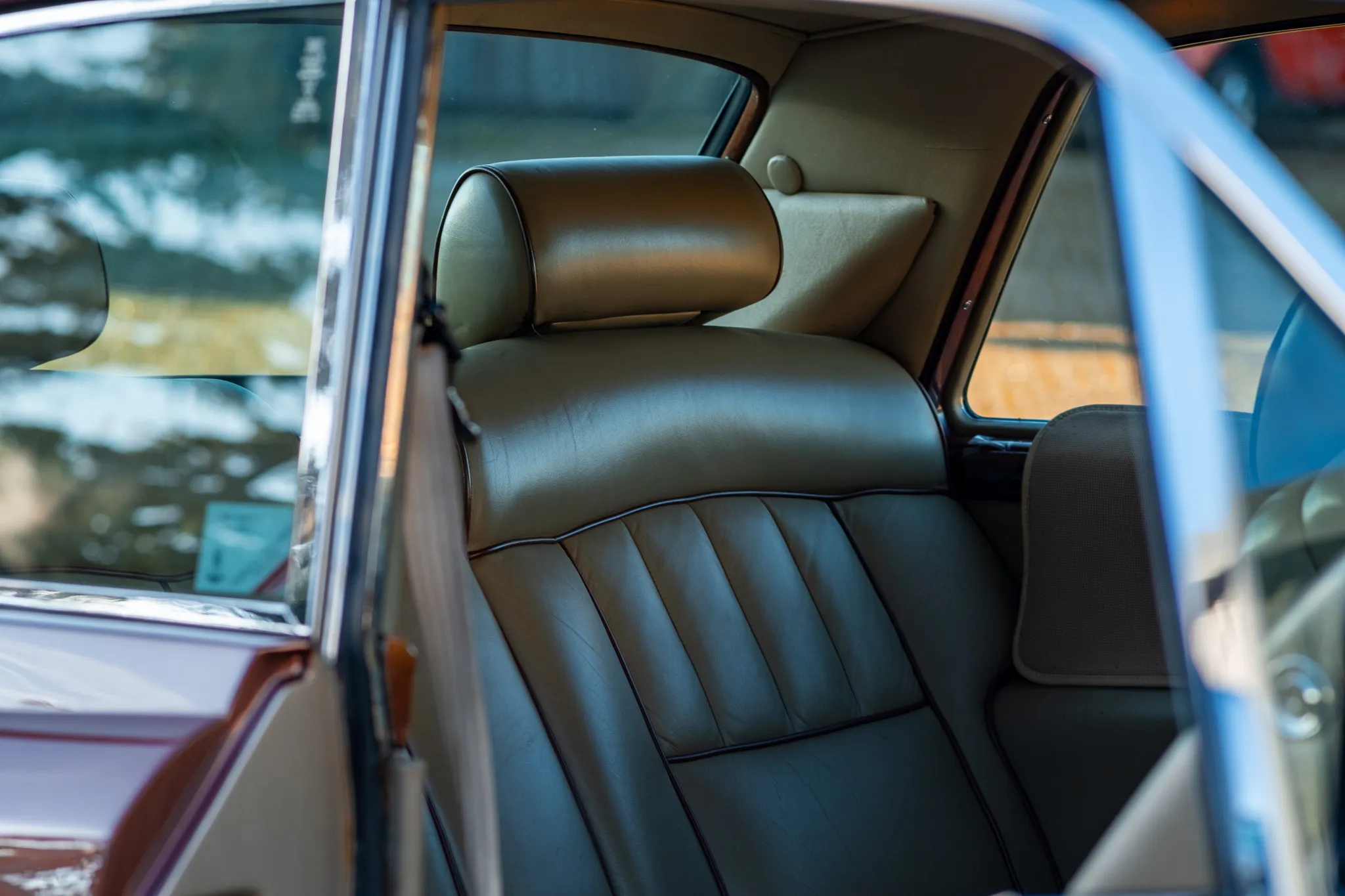
The Coupe was therefore an object for those who preferred their wealth to whisper, not shout. While the Corniche Convertible would later become the more commonly recognised symbol of Rolls Royce decadence, the Coupé remained the choice of clients who valued privacy. It looked less like an arrival and more like a departure, gliding away with quiet confidence.
The Riviera connection
The name Corniche, chosen in the late 1960s, was deliberately evocative. Rolls Royce’s marketers wanted the world to think of the coastal roads above the Mediterranean, where the sun bounces off the railings and the sea glitters far below. They imagined a Corniche Coupé sweeping above Nice or rolling quietly into Cannes long after the crowds had gone. There is a reason the brochure photography looked like stills from a European film. The car was not designed merely for motoring, but for travelling as if one had already arrived.
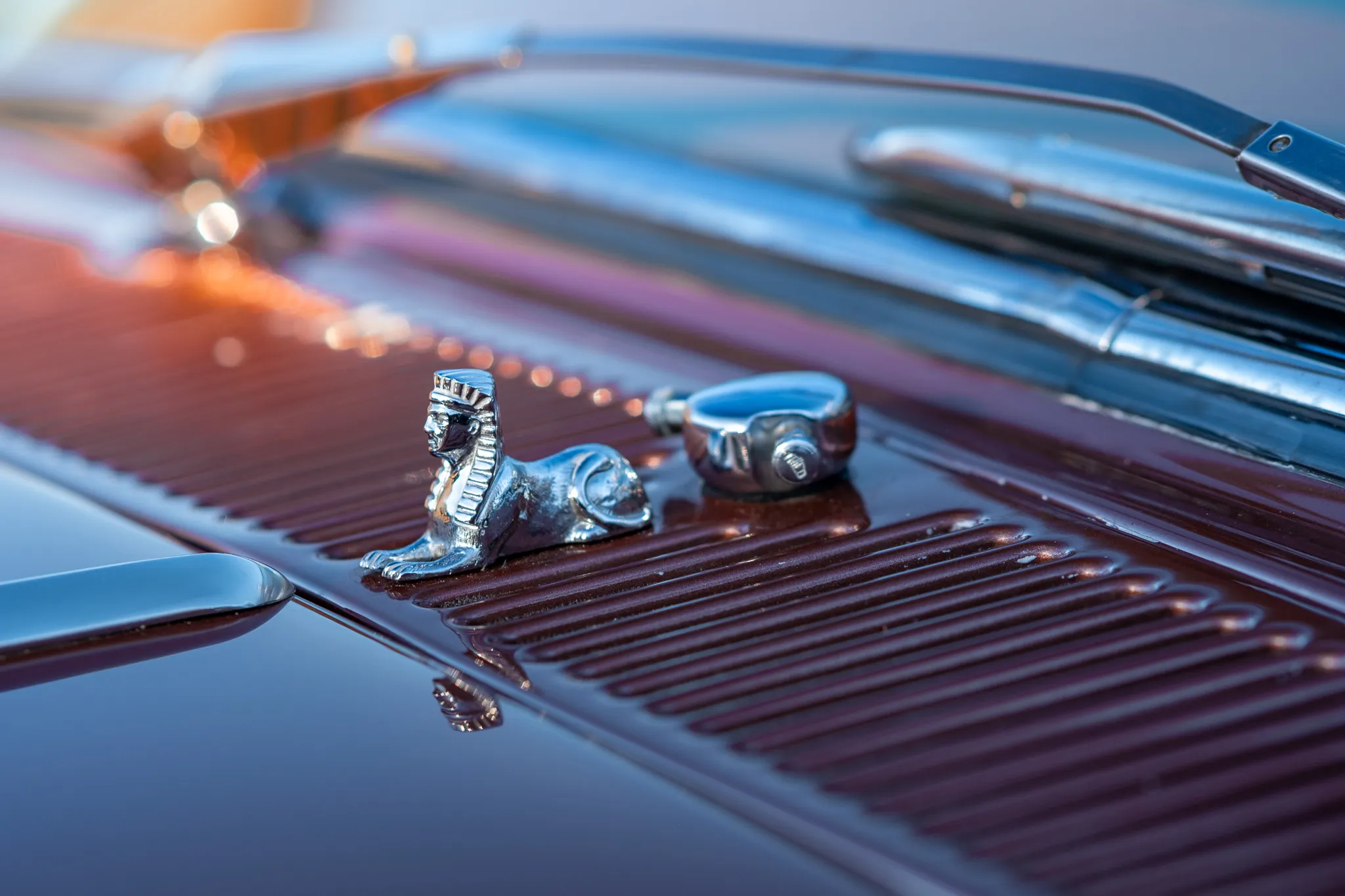
It was a grand touring experience rather than a driving event. The Corniche did not ask to be thrown into corners or hustled across passes. Instead, it encouraged its occupants to speak quietly, to read, to close their eyes if they wished. You did not need to notice the speed limit because the car did not appear to be in any hurry. Yet look at the figures and they show something surprising. The Corniche was quicker, more powerful and more responsive than a Shadow. It could reach speeds in excess of 120 mph, yet most owners were content to let it cruise at half that.
In truth, the Corniche Coupé was a passenger’s sanctuary. It treated everyone on board as if they were important enough never to be rushed.
The celebrities who understood it
Many famous figures were drawn to the Corniche, though not always for the obvious reasons. Frank Sinatra owned several, yet he rarely drove them himself. He preferred to slide into the back seat, close the door firmly and watch the world recede behind tinted glass. George Harrison had one as well, though he customised his car with colours and trim that would have raised eyebrows in Crewe. Tom Jones took delivery of a Corniche Convertible and found that Rolls Royce’s quiet luxury suited him far more than any sportscar ever could.
Perhaps the most interesting owner was Elton John. At a time when his stage costumes were flamboyant and his piano performances theatrical, his Corniche was understated. He could have chosen something outrageous, but he did not. The car looked like it could have been specified by a banker or a barrister. It was exactly the point: those who truly lived generously in public often craved privacy in their personal world. The Corniche Coupé offered that in abundance.
Rarity born from an unexpected truth
While the Corniche Convertible continued well into the 1990s, the Fixed Head Coupé did not survive the transition to the Silver Spirit era. As the 1980s approached, Rolls Royce customers increasingly wanted top down flamboyance rather than quiet restraint. Buyers wanted to be seen. The quiet elegance of the Coupé fell out of fashion.
And yet, as often happens with motor cars that disappear quietly, rarity has produced desirability. Only around one thousand Rolls Royce Corniche Fixed Head Coupés were ever built. Many have since been lost, badly maintained or converted into convertibles. A small number survive in extraordinarily correct condition, each with its own history and its own story to tell.
Few collectors are aware that the final cars, built on the 50000 series chassis, benefitted from sophisticated mineral hydraulic braking systems, improved steering and subtle engineering enhancements later shared with the Silver Spirit. These improvements were rarely advertised, but they made the last Corniche Coupés the best to drive.
Why the Fixed Head Coupé matters today
The Corniche Fixed Head Coupé is a reminder that luxury can be both powerful and understated. It does not shout for attention or demand admiration. It earns it rather quietly. It shows that the most interesting people are often those who are content to close the door, travel well and reveal nothing about themselves unless they choose to.
For collectors today, a correct Corniche Coupé represents something rare in the modern market. It is not merely a Rolls Royce. It is a letter from another age, written slowly, sealed carefully, and addressed to those prepared to appreciate it. The world may move faster now, but few things are as compelling as a motor car that travels without hurry.
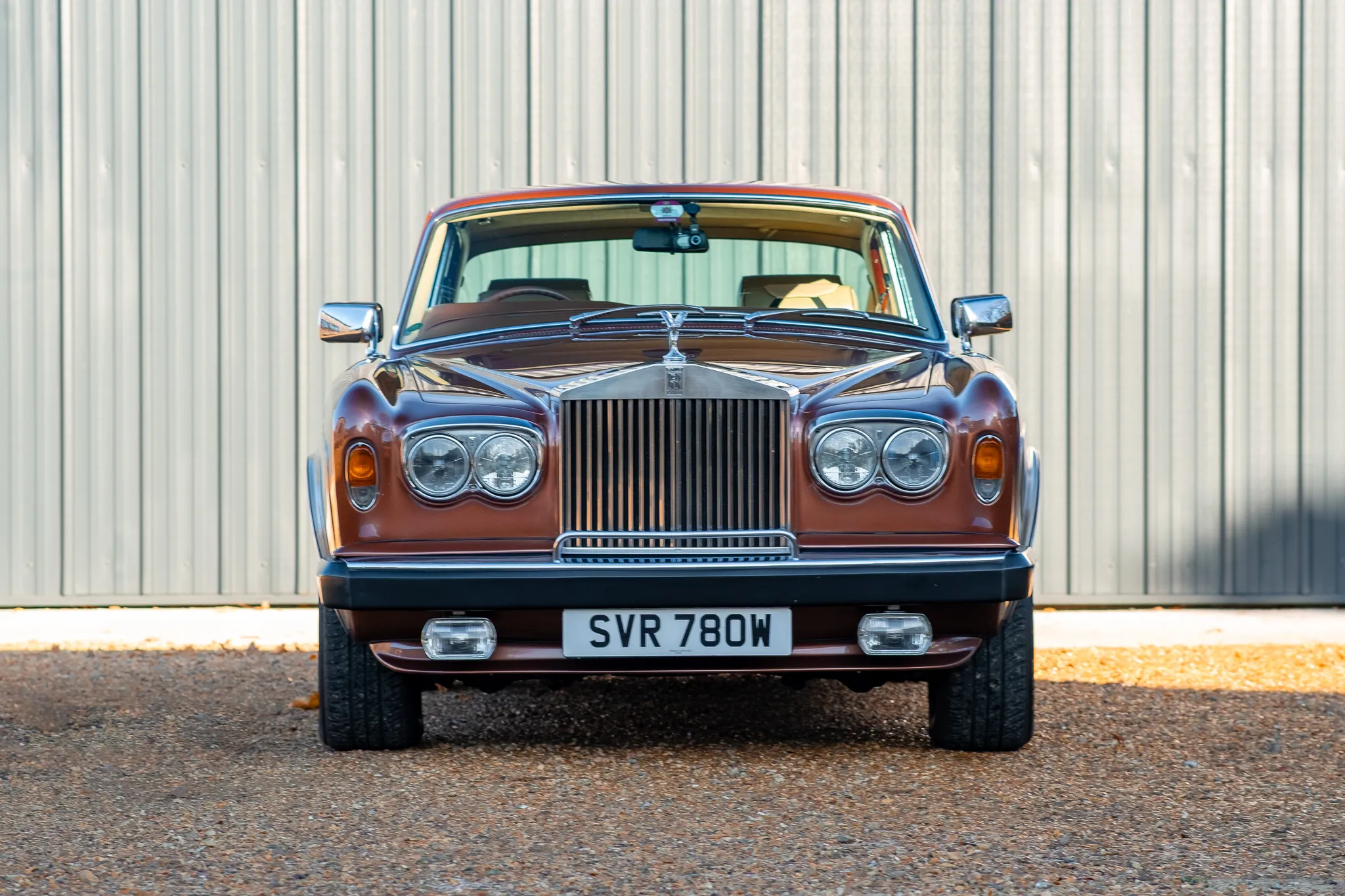
When seen in this light, the rarity is more than numerical. The Corniche Fixed Head Coupé is the embodiment of a philosophy. Not luxury as ornament, but luxury as silence. Not performance as spectacle, but performance without effort. A grand tourer for those who know precisely where they are going, and feel no urgency to prove it.